
Birthday Money for Kids: Spending and Saving Talk Scripts
Help kids decide what to do with birthday cash using calm spend-and-save talk scripts for ages 5-12.
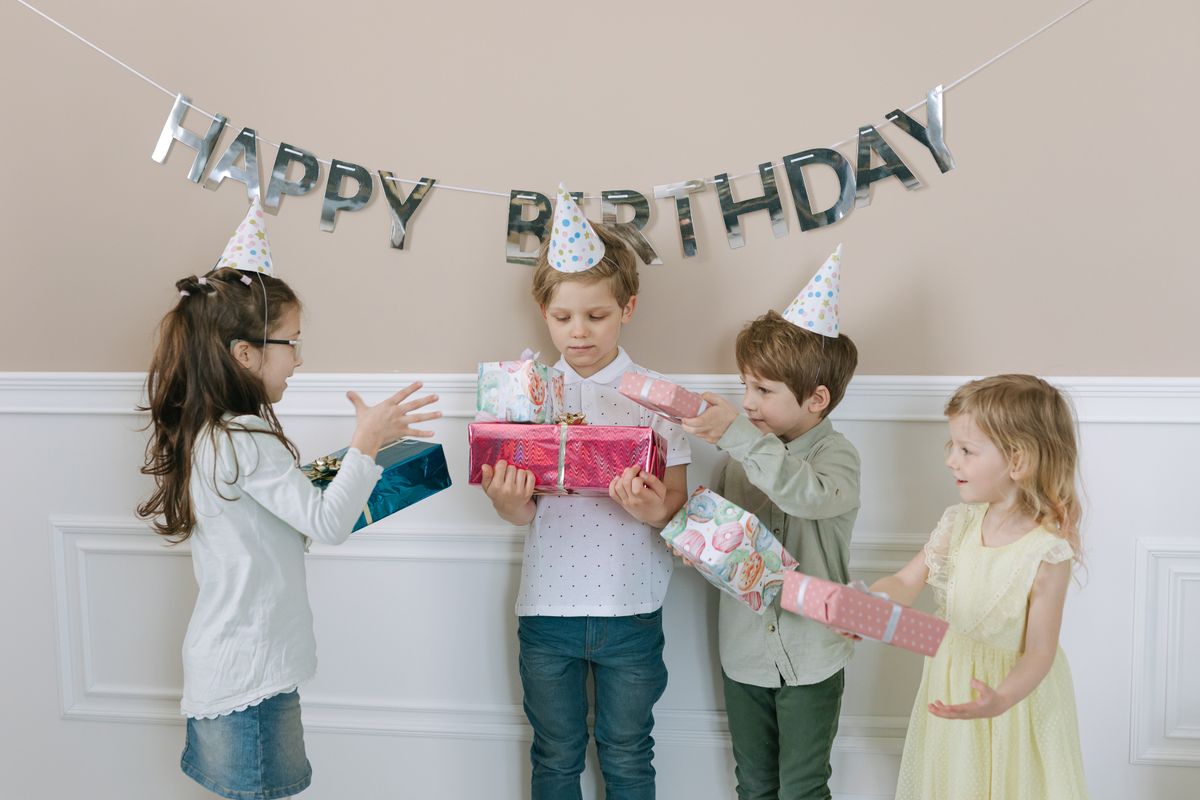
The wrapping paper is still on the floor and your child is already counting birthday cash like a tiny banker. That spark is useful. You do not need a lecture. You need a calm pause and a simple plan for birthday money for kids.
This guide is for parents. We use whole-dollar examples and pretend play. NewsFlash on kidstockgame.com is free for ages 5-12, with pretend NewsFlash Bucks (start at $1,000), made-up companies only, and no accounts.
Start with the envelope, not a lecture
Birthday money feels huge to a kid. A card with three twenties can look like a fortune. That excitement is useful. You do not need a speech about adulthood. You need a short pause before the spending rush.
Try this: when the gifts are open, put cash or gift cards in a clear envelope. Say, "We will decide together after dinner." That tiny delay teaches kids that money choices deserve a breath.
Try it once this week while the idea is fresh for your parent routine.
A three-question talk script
Keep it conversational. Ask: What do you want to enjoy soon? What do you want to wait for? Is there anyone or any cause you want to share with?
For a 6-year-old, answers might be a toy, more building bricks later, and a dollar for the class pet fund. For a 10-year-old, answers might be a game, savings for bike gear, and a gift for a friend. Write the plan on sticky notes.
Keep whole-dollar math so the talk stays about choices.
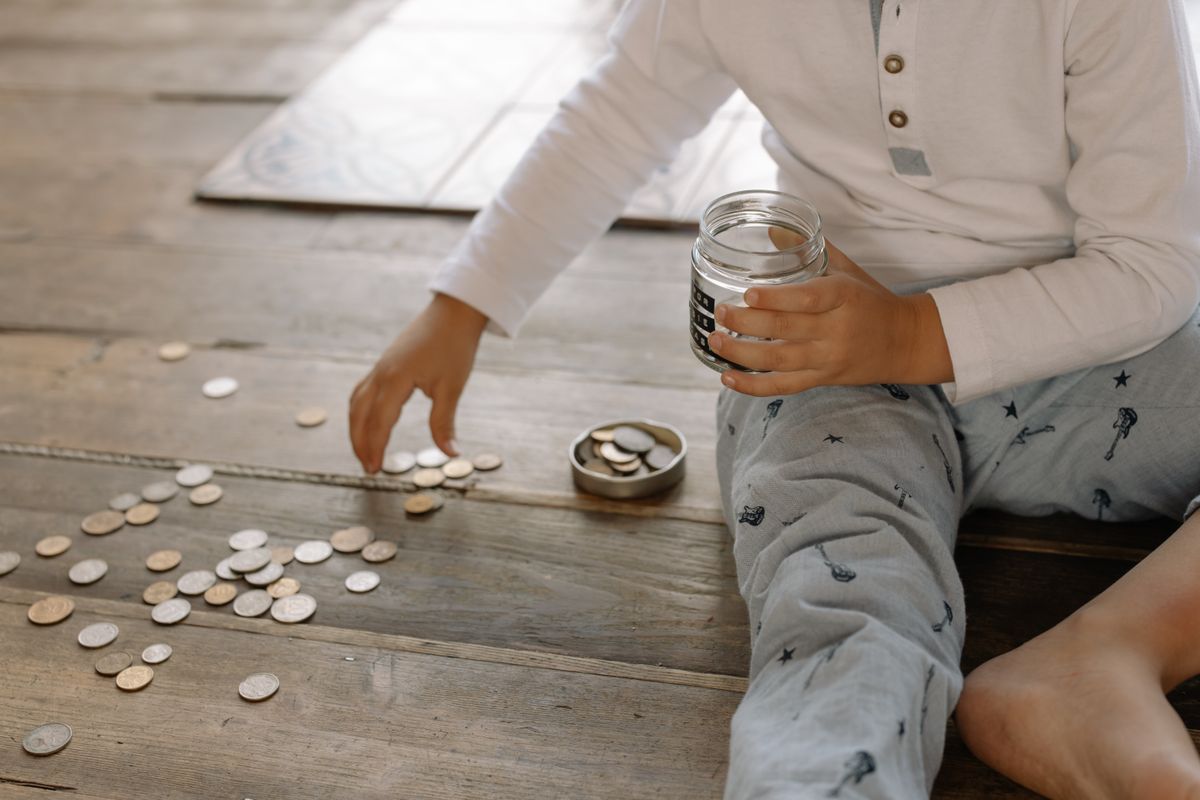
Family sorting birthday cash into jars
Whole-dollar splits that feel fair
Use whole dollars only. If they received $60, try $30 enjoy now, $25 wait jar, $5 share. Adjust to your family values. The point is practice, not a perfect percentage.
If they already spent most of it in their head, negotiate a smaller wait jar. Progress beats purity.
Name feelings out loud: calm, swirly, or proud. Feelings are data.
Connect to pretend practice
After the talk, play a short round of NewsFlash together. Kids start with $1,000 in pretend NewsFlash Bucks and follow made-up companies like TechNova (TNV) and FizzPop (FZP). Watching pretend prices move makes patience feel less abstract.
If attention fades, stop at one success and celebrate.
Common snags and gentle fixes
If a sibling got less gift money, talk fairness without shaming. Focus on each child's plan, not comparisons. If grandparents hand cash mid-party, smile and use the envelope trick later.
Invite the child to reteach the idea to a stuffed animal or sibling.
Age notes (only if useful)
Ages 5-7: keep birthday money for kids ideas visual with pictures and two choices.
Ages 8-10: add a because sentence after each pick.
Ages 11-12: let them design the next round of the activity.
One tiny practice week
Mon: five-minute intro with a snack or toy example.
Wed: replay with paper pretend bucks.
Fri: optional NewsFlash round with pretend NewsFlash Bucks, then one journal sentence.
Tonight in ten minutes
Pick one idea from this article. Set a phone timer for ten minutes. Stop when it rings, even if you are mid-sentence. Short reps build trust.
Detail note 1
When you practice birthday money for kids, stay with kid-life examples: recess, snacks, classroom jobs, rainy afternoons. If you open NewsFlash, remember pretend bucks, six made-up companies, one to six players, no accounts, and the session ends when the tab closes. Curiosity beats perfect answers. If you do not know something, say so and look it up together later.
Detail note 2
When you practice birthday money for kids, stay with kid-life examples: recess, snacks, classroom jobs, rainy afternoons. If you open NewsFlash, remember pretend bucks, six made-up companies, one to six players, no accounts, and the session ends when the tab closes. Curiosity beats perfect answers. If you do not know something, say so and look it up together later.
Keep going
Birthday mornings are noisy on purpose. Keep your money plan quieter than the party. An envelope, three questions, and whole-dollar jars give kids dignity. If the wait jar starts tiny, call it a win and stretch it next year.
When you mention markets with kids, stay with made-up companies and pretend NewsFlash Bucks. Skip real tickers for now. Confidence with words like price, news, choice, and patience is the win for ages 5-12.
Quick tips
- Whole dollars only for young kids.
- Stop while energy is still good.
- Let kids reteach the idea.
- Photograph the plan sheet.
FAQ
What if my child wants to spend it all?
That is common. Offer a tiny wait jar, even $5. Celebrate the wait jar as a win.
Should gift cards count?
Yes. Treat a gift card like directed spending money and still set a wait goal with cash if you have any.
Next step
Parents: the Parent Guide shows how NewsFlash works at home.
If a short game helps, try NewsFlash. Pretend NewsFlash Bucks only. The session ends when the tab closes.
Not financial advice. NewsFlash is educational fun with pretend money only.
Ready to try it yourself?
PLAY NEWSFLASH FREE ⚡