
How Kids Learn Real Money Skills Through Play (No Lecture Required)
Kids tune out money lectures, but they pay close attention during a game. Here's why play teaches financial literacy better than any worksheet, and how parents and teachers can use it.
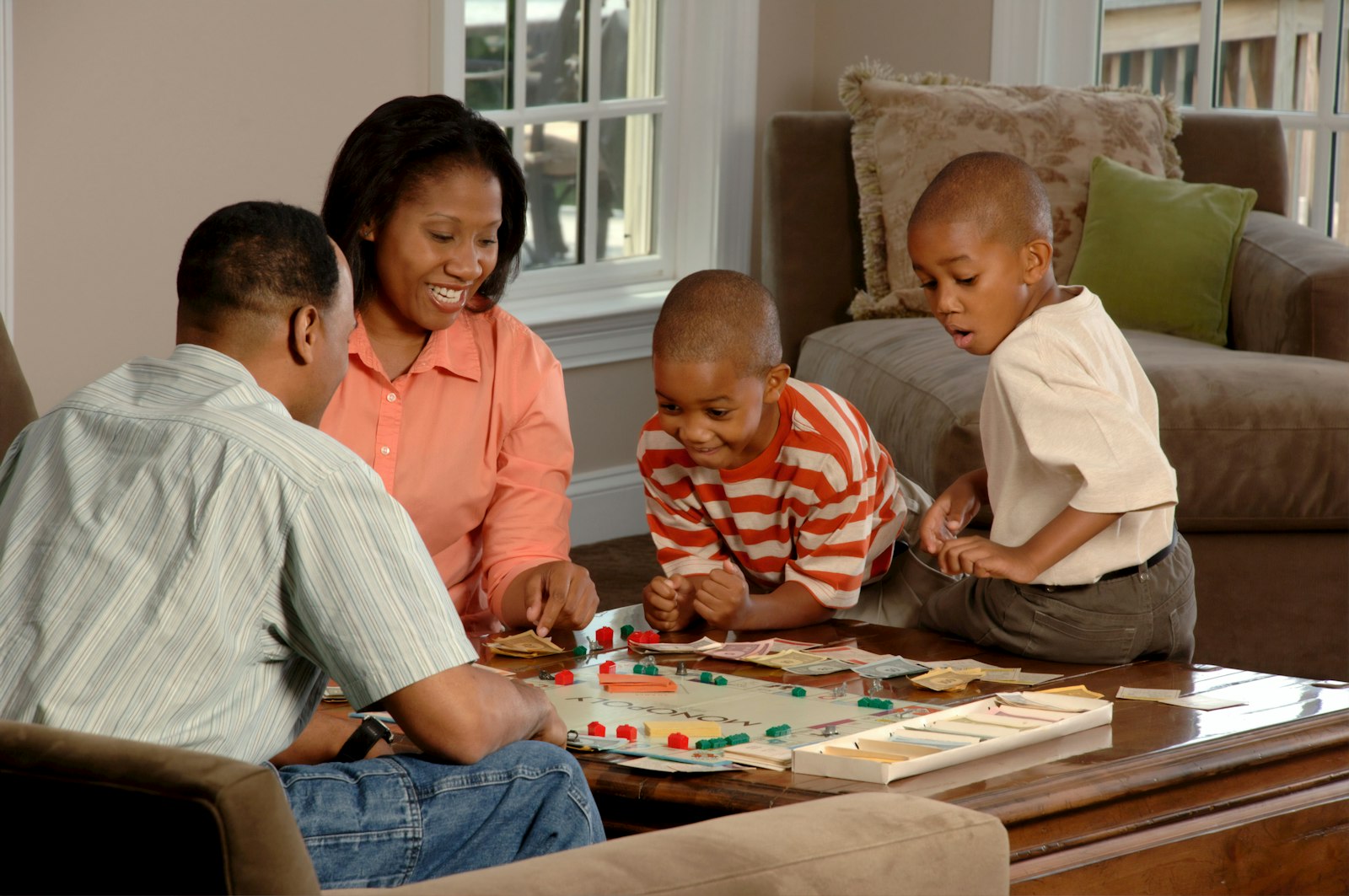
Tell a nine year old that you want to talk about “financial literacy” and watch their eyes glaze over. Hand that same kid a stack of play money, a dice, and a reason to make a decision, and suddenly they're leaning forward, doing mental math, and arguing about strategy. That's not a coincidence. It's how kids are wired to learn.
Most of us picked up our own money habits the same way, by watching, testing, and occasionally losing something we cared about, even if it was just fake cash in a board game. Turns out that instinct holds up under research too.
Photo by National Cancer Institute on Unsplash, free to use under the Unsplash License
Why Play Sticks When Lectures Don't
A worksheet asks a kid to remember a definition. A game asks them to use it, right now, with something on the line. That difference matters more than it sounds.
Researchers at Champlain College tracked students for over a decade after they took a financial literacy course and found the effects on their money habits were still measurable years later, especially when the course involved hands on decision making rather than straight lecture. The full report from Edutopia is worth a read if you want the details, but the short version is simple: kids remember what they did far longer than what they were told.
The Consumer Financial Protection Bureau has made a similar point for years. Their research identifies middle childhood, roughly ages six through twelve, as a key window for building the executive function skills that later show up as budgeting, patience, and self control with money. Games happen to be one of the most natural ways to practice exactly those skills at that age, because a kid doesn't feel like they're being taught. They feel like they're playing.
Five Money Skills Kids Pick Up Without Realizing It
You don't need a curriculum to teach most of this. You need a game, a few minutes, and permission to let your kid make a decision you might not agree with.
1. Waiting pays off
Any game with saved up points, cards, or currency puts a kid in the same spot adults face every day: spend now or wait for something better later. A kid who blows all their game money on the first flashy option usually learns fast, sometimes the very next round, that patience would have gotten them further. That's delayed gratification in action, and it sticks better after one bad round in a game than after any amount of being told to “save your money.”
2. Every choice has a trade-off
Board games are full of forks in the road. Buy the property or save the cash. Take the safe move or the risky one. Kids start to notice that picking one option quietly closes off another, which is the entire idea behind opportunity cost, minus the intimidating name.
3. Risk and reward are a package deal
Games with any element of chance (dice, cards, spinners) give kids a low stakes way to feel what risk actually feels like. Go big and it might pay off, or it might not. Playing it safe protects you but caps your upside. Kids who experience that tension a few dozen times in a game start to understand it in a way that a definition on a flashcard never quite captures.
4. Cause and effect is everywhere
Plenty of games respond to what's happening around the board, a bad draw, a rule change, a shift in the rules of that round. Kids start connecting the dots between an event and an outcome, which is the same instinct that later helps them understand why prices change, why a sale happens, or why a job might pay differently depending on demand.
5. Losing isn't the end of the game
This might be the most underrated lesson of all. A kid who loses a round, goes back to zero, or watches their strategy fall apart gets to feel that disappointment in a completely safe setting, then play again five minutes later. That's a low risk way to build the kind of resilience that matters a lot more once real money is involved.
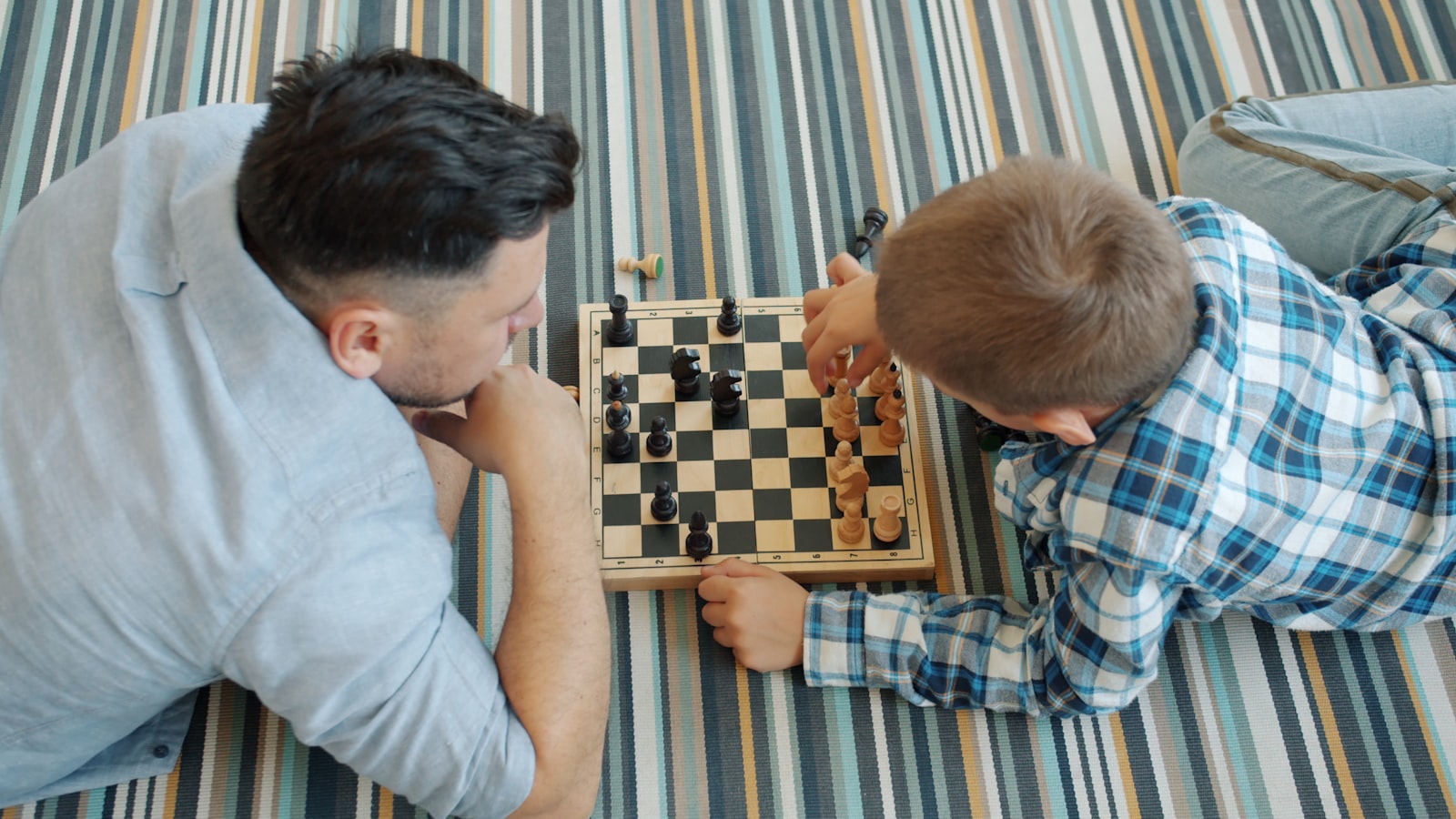
Photo by Vitaly Gariev on Unsplash, free to use under the Unsplash License
Bringing This Home Without Making It a Lesson
You don't need a special toy or a formal program to use any of this. A few ideas that work with things most families already have around:
- Play the classics on purpose. Monopoly, The Game of Life, and even card games like Uno all involve some version of budgeting, trade-offs, or risk. Play a round and just ask questions afterward: “Why did you decide to buy that instead of saving?”
- Turn allowance into a mini economy. Give a kid a small amount and let them decide how to split it between spending, saving, and giving. Resist the urge to correct every choice. The lesson lands harder when it's their decision, not yours.
- Run a pretend store or lemonade stand. Even a rainy day version at the kitchen table works. Let them set prices, count change, and notice what happens when they price something too high or too low.
- Ask “what would you do” questions during errands. “We have twenty dollars for snacks this week, what would you pick?” turns a grocery trip into practice without anyone noticing it's a lesson.
The Research Keeps Pointing the Same Direction
Public opinion has caught up to what a lot of parents already suspected. Surveys from the American Bankers Association Foundation found that 87 percent of adults think financial concepts should be taught in high school, and most wish they had learned the basics earlier themselves.
There's also a ripple effect worth knowing about. A study covered by the World Economic Forum found that when kids picked up financial knowledge, some of that understanding made its way back to their parents too, especially in lower income households. Teaching a kid about money, it turns out, doesn't always stay contained to just the kid.
None of this means every game your child plays needs to have a lesson buried in it. Most of the time, play should just be fun. But the next time your kid is negotiating a trade in a board game or deciding whether to save their allowance for something bigger, know that something real is happening under the surface. They're not just playing. They're practicing.
Frequently Asked Questions
At what age should kids start learning about money?
Most child development research points to middle childhood, around ages six to twelve, as an ideal window. Kids at this age are old enough to grasp cause and effect but young enough that mistakes feel low stakes, which makes it a great time to practice through play.
Do board games actually teach financial skills, or is that a stretch?
Games that involve saving, spending, trading, or risk give kids repeated, hands on practice with real financial concepts. It's not a replacement for direct conversations about money, but it builds intuition that's hard to get from a lecture alone.
How much should parents get involved during a game?
Enough to ask a question here and there, not enough to take over the decision making. Kids learn more from feeling the result of their own choice, even a bad one, than from being steered away from every mistake.
What if my child loses interest in money related games quickly?
Keep the stakes light and the sessions short. A five minute pretend store or a couple of rounds of a simple game is often more effective than a long, structured activity. The goal is repeated small exposure, not one big lesson.
Ready to try it yourself?
PLAY NEWSFLASH FREE ⚡