
Lemonade Stand Pricing: Teach Kids Supply and Demand
Use lemonade stand pricing to teach kids supply, demand, and fair prices with whole-dollar math.
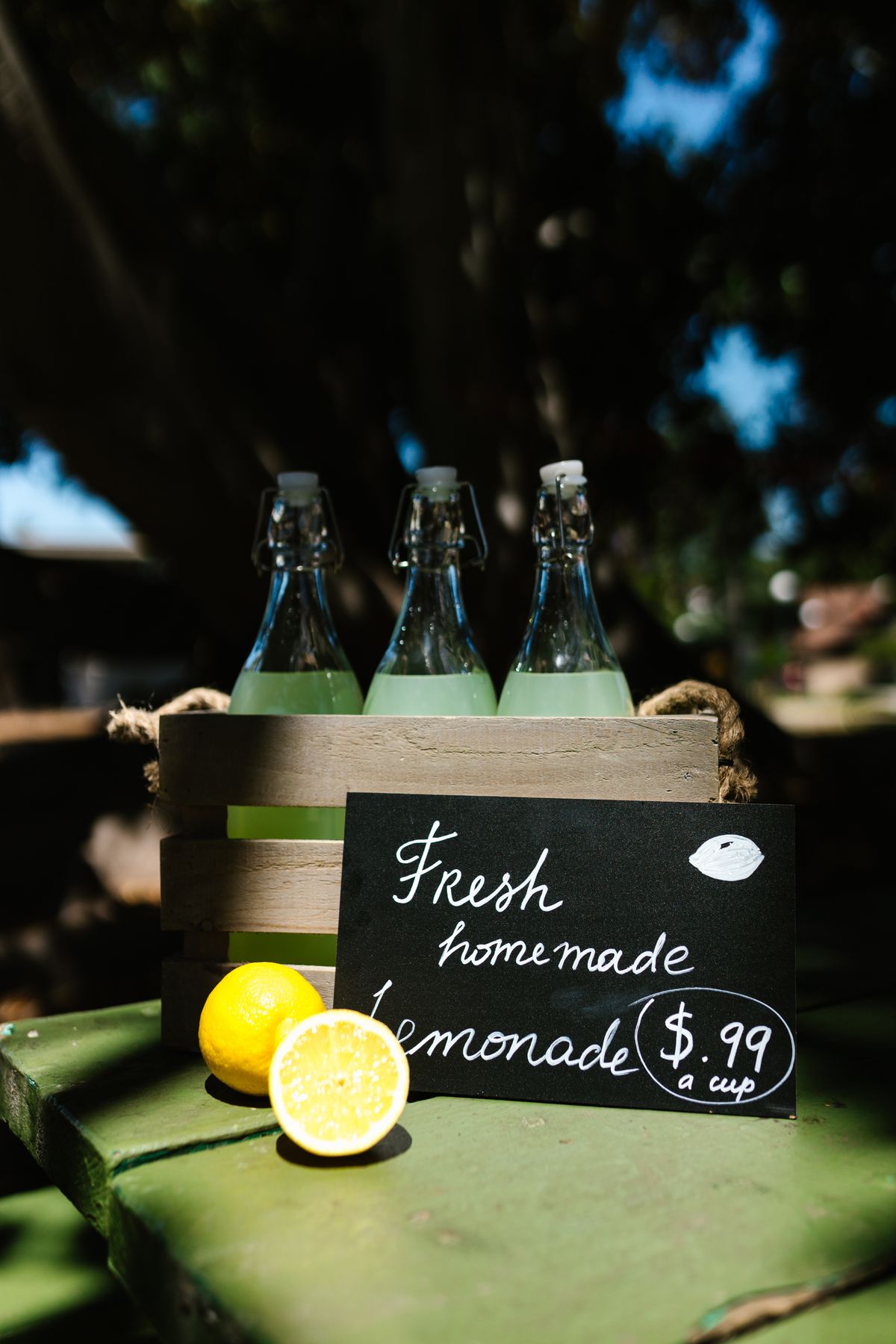
A lemonade stand turns a driveway into a lab. Kids taste sticky cups, feel the sun, and notice when lemonade stand pricing makes neighbors stop walking or keep walking.
This guide is for parents and teachers. We use whole-dollar examples and pretend play. NewsFlash on kidstockgame.com is free for ages 5-12, with pretend NewsFlash Bucks (start at $1,000), made-up companies only, and no accounts.
Why lemonade is a perfect classroom
A lemonade stand is small enough to run in an afternoon and rich enough to teach big ideas. Kids see cups, ice, and thirsty neighbors. They feel the moment when price is too high and nobody stops, or too low and you run out before noon.
Try it once this week while the idea is fresh for your mixed routine.
Set a simple cost sheet
List whole-dollar costs: lemons $6, sugar $3, cups $4, ice $2. Total cost $15. If you make about 30 cups, each cup costs about 50 cents in materials. Grades 3-5 can do that math. Younger kids can count cups and stickers.
Keep whole-dollar math so the talk stays about choices.
Kids adjusting lemonade price signs
Try three price tags
Run mini experiments. Price at $1, then $2, then $3 for short windows. Track how many cups sell. Talk about demand: when the day is hot, people may pay more. When three other stands open on the same block, demand for yours may drop.
Name feelings out loud: calm, swirly, or proud. Feelings are data.
Supply surprises
Hide half the cups. Ask, "What happens if we only have ten cups left and a soccer team walks by?" Kids often suggest raising the price or saving cups for regular customers. That is supply thinking without jargon.
If attention fades, stop at one success and celebrate.
Bring the lesson indoors
On a rainy day, replay the stand with play money. Or open NewsFlash and watch how made-up news can nudge pretend prices for companies like TechNova. Same idea: when lots of people want something, prices can rise in the game too.
Invite the child to reteach the idea to a stuffed animal or sibling.
\n
\n
\n
\n
\n
\n
\n
\n
\n
\n
\n
Another angle
Reconnect lemonade stand pricing kids to something your child already loves: recess strategies, snack trades, classroom jobs, or weekend hobbies. The more familiar the setting, the less the money idea feels like a lecture. If energy drops, shrink the activity to five minutes and call it a complete practice.
Quick tips
- Whole dollars only for young kids.
- Stop while energy is still good.
- Let kids reteach the idea.
- Photograph the plan sheet.
Quick answers
What if we lose money on the stand?
Treat it as data. Ask what you would change next time. Learning beats a perfect profit.
Can preschoolers join?
Yes. They can stir, count cups, and greet customers while older kids handle pricing.
Next step
If a short game helps, try NewsFlash. Pretend NewsFlash Bucks only. The session ends when the tab closes.
Parents: the Parent Guide shows how NewsFlash works at home.
Not financial advice. NewsFlash is educational fun with pretend money only.
Ready to try it yourself?
PLAY NEWSFLASH FREE ⚡