
The Save, Spend, Give Method: A Simple Way to Teach Kids Money Basics at Home
No curriculum, no worksheets required. Here's how the three jar method teaches kids to save, spend, and give, plus a simple way to start it this week.
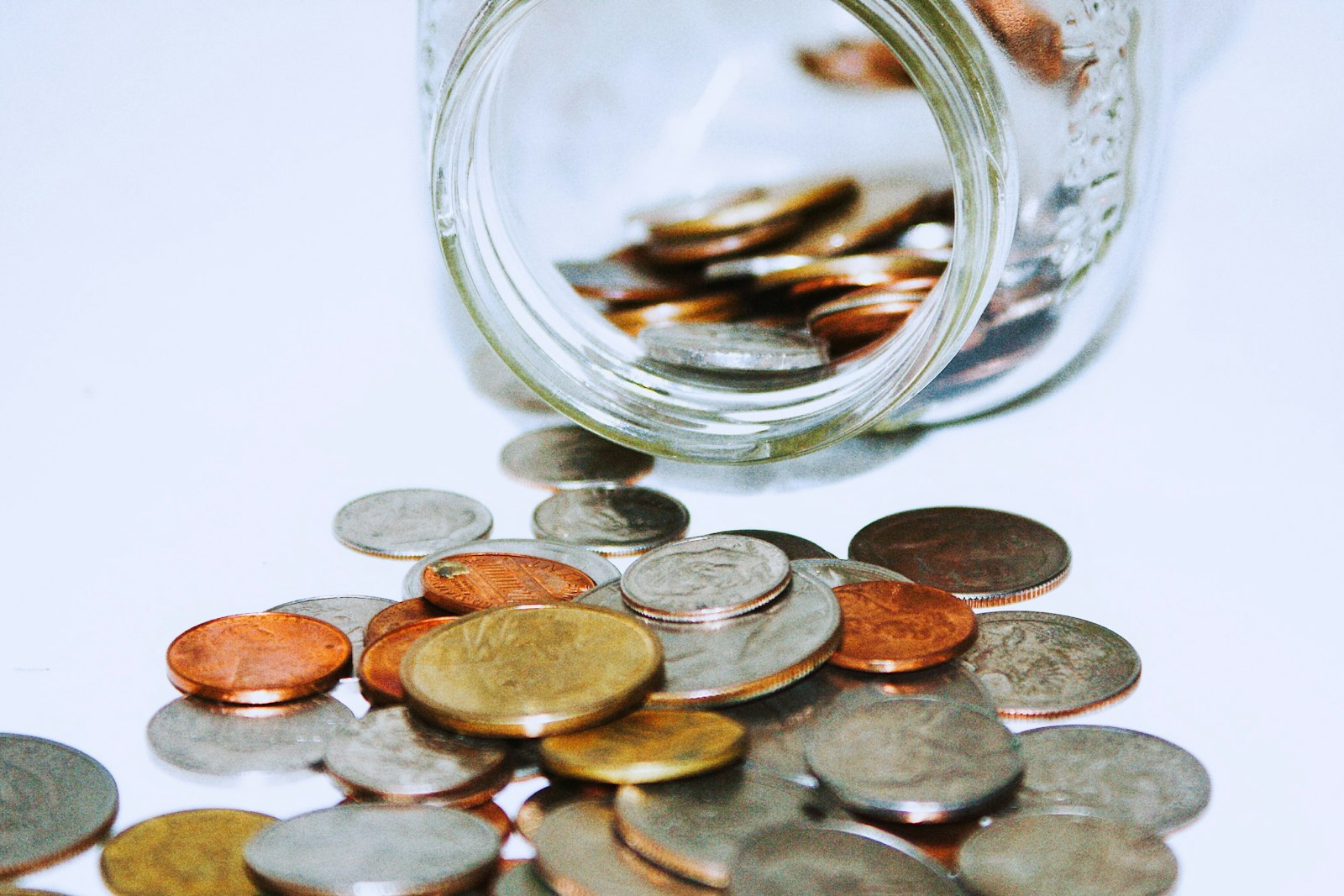
You don't need a workbook, an app, or a special curriculum to start teaching your kid about money. You need three jars, a little bit of change, and about ten minutes to explain the idea. That's really it.
This is the appeal of the save, spend, give method. It's been passed around by parents, homeschool groups, and financial educators for years because it works with almost any age, costs nothing to set up, and turns an abstract idea like “budgeting” into something a six year old can actually hold in their hands.
Photo by Alicia Razuri on Unsplash, free to use under the Unsplash License
How It Works
Grab three jars, envelopes, or even just three sections of a shoebox. Label them Save, Spend, and Give. Every time your child earns or receives money, whether it's allowance, birthday cash, or a few dollars for pulling weeds, they split it between the three.
A common starting rule is to divide it evenly, a third in each jar. Some families use a percentage instead, maybe 50 percent to spend, 30 percent to save, and 20 percent to give. There's no official right answer here. What matters more than the exact split is that your child gets to see, physically, where their money goes.
Spend is for the small stuff they want now. A toy, a snack, a trading card. This jar teaches them that money runs out and that choosing one thing usually means not choosing another.
Save is for something bigger down the road. A video game, a bike, a bigger toy that's out of reach with one week's allowance alone. This is where patience gets built, one deposit at a time.
Give is for someone else. A cause they care about, a gift for a friend, a donation box at church or school. This jar tends to be the hardest for kids to warm up to at first, and also the one that seems to stick with them the most once it clicks.
Why This Actually Sinks In
A lot of money lessons fail because they're too abstract. Telling a kid to “budget wisely” doesn't mean much when they've never had to make a real trade-off. The jar method fixes that by making the trade-off physical. If the spend jar is empty, there's no spending, full stop. No pulling from savings to cover it. That boundary is where the real learning happens.
There's also a timing argument for starting early. A widely cited study out of Cambridge University found that many of the core behaviors behind money habits, like planning ahead and being able to delay a decision, begin forming well before age seven. The original release from the Money Advice Service is worth a skim if you want the details, though it's fair to note that later reviewers have pushed back a bit on how far that finding should be stretched. The safer takeaway isn't a hard deadline, it's that younger kids are more capable of grasping this than most parents assume, and waiting for a “money talk” moment later on isn't necessary.
Setting It Up This Week
You really can start today. Here's a simple version that works for most families:
- Grab three containers. Jars, envelopes, cups, whatever you have. Label them clearly, maybe let your child decorate them if they're younger.
- Pick a split and stick with it for a month. Even, or 50/30/20, or whatever feels right. You can adjust later once you see how it's going.
- Attach it to something they already earn. Allowance works, so does a lemonade stand, chores, or birthday money. The method works on any income, not just a weekly allowance.
- Let the spend jar actually run dry sometimes. Resist the urge to top it off. Watching it empty out is most of the lesson.
- Help them pick a goal for the save jar. A specific item with a specific price gives the jar a purpose instead of just being money that sits there.
- Let them choose where the give jar goes. A cause, a person, an organization. Ownership over the choice makes it mean more.

Photo by Jen Titus on Unsplash, free to use under the Unsplash License
A Note for Homeschool Families
If you're already building money lessons into your homeschool week, the jar method is an easy anchor for a lot of other lessons. Use the save jar to introduce simple percentages once they're a bit older. Use the spend jar for basic addition and subtraction with real transactions. Use the give jar to talk about community, causes, and why people choose to donate.
None of this needs a dedicated block on the schedule either. A few minutes at the kitchen table when allowance gets split, or a quick conversation on the way to the store, does more than a formal lesson most weeks.
It Doesn't Have to Be Perfect
Kids will blow through the spend jar and immediately want something from savings. They'll forget to add to the give jar for a month straight. That's fine, and honestly it's part of how the lesson works. The goal isn't a flawless system, it's repeated, low stakes practice with real trade-offs, which is exactly the kind of practice that's hard to get any other way at that age.
Start small, keep it loose, and let the jars do the teaching.
Want to practice those same trade-offs in a game? NewsFlash is a free, no-signup way for kids to make real money decisions with pretend cash.
Frequently Asked Questions
What age should I start the save, spend, give method?
Most families start somewhere between ages four and seven, once a child can count and understands that money can be traded for things. There's no strict cutoff, and it's easy to adapt for older kids too.
How much allowance should go in each jar?
There's no fixed rule. An even three way split is the simplest place to start. Some families prefer a percentage system like 50 percent spend, 30 percent save, 20 percent give. Adjust based on what feels right for your family.
What if my child wants to move money between jars?
It's worth holding the line here, especially with the spend jar. Learning that a jar being empty means no more spending is one of the most valuable parts of the exercise.
Do the jars work without a weekly allowance?
Yes. The method works with any money a child receives, including birthday gifts, chore payments, or money from a lemonade stand. Consistency matters more than the source.
Ready to try it yourself?
PLAY NEWSFLASH FREE ⚡