
Should Kids Earn Allowance Through Chores? Weighing Both Sides
Parents are split down the middle on this one. Here's the honest case for tying allowance to chores, the case against it, and the middle ground a lot of families land on.
Few parenting questions get argued about more at the dinner table than this one. Should a kid get paid for making their bed, or should making the bed just be something everyone in the house does, no cash involved?
Neither camp is wrong exactly. Parents are split on this, and both sides can point to real reasoning, not just gut feeling. Here's the honest case for each approach, and where a lot of families end up landing once they've tried both.
The Case for Tying Allowance to Chores
The logic here is pretty simple. Out in the real world, people get paid because they do work. Tying allowance to chores gives kids an early, low stakes version of that same relationship, and it's hard to argue the connection isn't useful later on.
Parents in this camp usually make a few points:
- It mirrors how jobs actually work. Effort in, money out. That's a lesson that has to click at some point, and childhood is a fairly safe place for it to happen.
- It gives allowance a clear, defensible structure. Instead of "why do you get money," the answer is simply "because you did the work." Less arguing, more clarity.
- It rewards consistency. A kid who shows up and does the same chores week after week gets a direct, visible payoff for that consistency, which some kids respond to well.
The tradeoff, and most parents in this camp will admit it, is that money can become the only reason a kid does anything around the house. Once the money stops feeling necessary, so does the motivation.
The Case Against Tying Allowance to Chores
The opposing argument isn't about being anti allowance. It's about what chores are actually for.
Kids in this camp's view should contribute to a household because they're part of it, not because there's a payout attached. Loading the dishwasher isn't a job, it's just what everyone does because everyone eats off the same plates. Parents don't get a paycheck for doing laundry, so the reasoning goes, and turning a kid's basic contributions into paid work sends a quiet message that helping out is optional unless there's something in it for them.
Some research on rewards suggests there's something to this too. Work built around external rewards, gold stars, prizes, cash, tends to be a weak long term motivator. Once the reward disappears, so does the behavior it was attached to, and in some cases kids end up less interested in the task than they would have been without any reward at all.

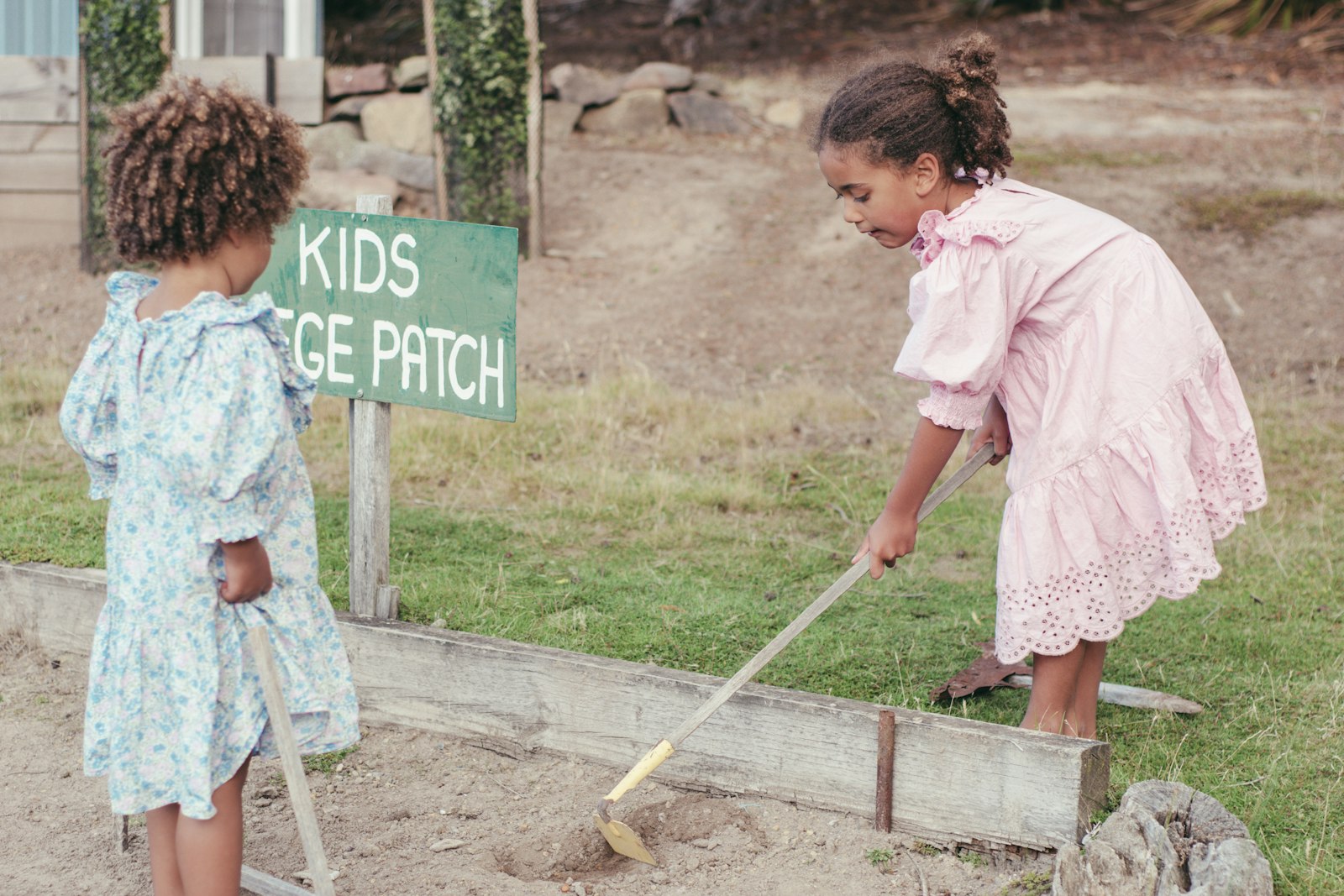
Photo by Alicia Razuri on Unsplash, free to use under the Unsplash License
This camp still believes allowance is valuable, just for a different reason. It's a tool for practicing budgeting, saving, and spending decisions, not a wage for chores.
The Middle Ground Most Families Land On
After going back and forth, plenty of families settle somewhere in between, and it tends to hold up better than picking one extreme.
Basic contributions stay unpaid. Making your bed, putting away your own toys, clearing your own plate. These are framed as part of being in the family, not a job.
Allowance is given on a regular basis, separate from chores. It's treated as a financial literacy tool first, meant for practicing saving and spending, not as payment. If you're building out a broader approach at home, our parent guide walks through more ways to introduce money concepts alongside allowance.
Extra, optional tasks can still earn money. Washing the car, raking the whole yard, helping with a bigger project. These go beyond the basic expectations and come with pay attached, which keeps the "work equals money" lesson intact without turning every single household task into a transaction.
This hybrid setup tends to keep both camps happy. Kids still learn that effort can be rewarded financially, but they also learn that being part of a family comes with responsibilities that aren't up for negotiation.
What Matters More Than Which System You Choose
Here's the part that gets lost in the debate. Researchers who've looked at allowance and financial literacy generally agree that the system itself matters less than what surrounds it. A kid with allowance tied tightly to chores but zero conversation about money won't necessarily end up better off than a kid on a no strings system whose parents talk openly about spending and saving decisions.
A few things seem to matter more than the structural debate:
- Consistency. Whatever system you pick, sticking with it matters more than which one you picked.
- Letting mistakes happen. A kid who blows their allowance on something they regret learns more from that than from a lecture.
- Talking about money regularly, not just on allowance day. Grocery store trips, family budgeting decisions, and small everyday choices teach as much as any formal system.
If you're still not sure which way to go, it's worth remembering this isn't a permanent decision. Plenty of families start with one system, adjust it a year later, and land somewhere different once they see what actually works for their kid. If you want a simple structure to pair with whichever system you choose, our post on the save, spend, give method is a good next step once the allowance itself is flowing.
Once a child has a bit of money to actually manage, whether earned through chores or given on a schedule, a low stakes way to practice using it helps the lesson stick. A pretend market game, like the one on our play page, gives kids a safe place to make spending and investing decisions with money that isn't real yet.
Frequently Asked Questions
Is it better to pay kids for chores or not? There's no universally right answer. Research suggests the specific system matters less than consistency and the conversations that happen around it. Many families use a hybrid, where basic chores are unpaid and extra tasks can earn money.
What age should kids start getting an allowance? There's no strict rule, though many families start somewhere between ages five and seven, once a child understands that money can be traded for things they want.
Does paying for chores actually hurt motivation? Some research on external rewards suggests it can reduce a person's natural interest in a task once the reward is removed. This is part of why some experts recommend keeping basic household responsibilities separate from paid, optional tasks.
Can we switch systems if the one we're using isn't working? Yes. Adjusting an allowance system as your child gets older, or as you notice what motivates them, is common and often works better than sticking rigidly to one approach.
Ready to try it yourself?
PLAY NEWSFLASH FREE ⚡